Post Treatment Goal Setting
Cancer treatment may be finished, and the frequent doctor appointments may have slowed down, but recovery and rebuilding continue well beyond treatment. Follow-up scans and check-ups remain important milestones, but they are not the only ones worth celebrating. Life after cancer treatment can also be a time to focus on meaningful personal goals — and you are the author of what comes next.
Goal setting is about identifying what you would like to achieve and creating realistic, measurable steps to help you get there. These goals can be short-term or long-term and may relate to physical health, emotional wellbeing, relationships, hobbies, work, or daily routines. Setting goals can build confidence, increase motivation, and support personal growth during recovery.
The key to successful goal setting is making goals realistic and achievable. Goals that feel too big or unrealistic can become discouraging, while goals without a clear plan or timeframe are often difficult to maintain. Breaking larger goals into smaller, manageable steps can make progress feel more achievable and rewarding.
There are many helpful strategies for setting and achieving goals. These include:
Visualising success
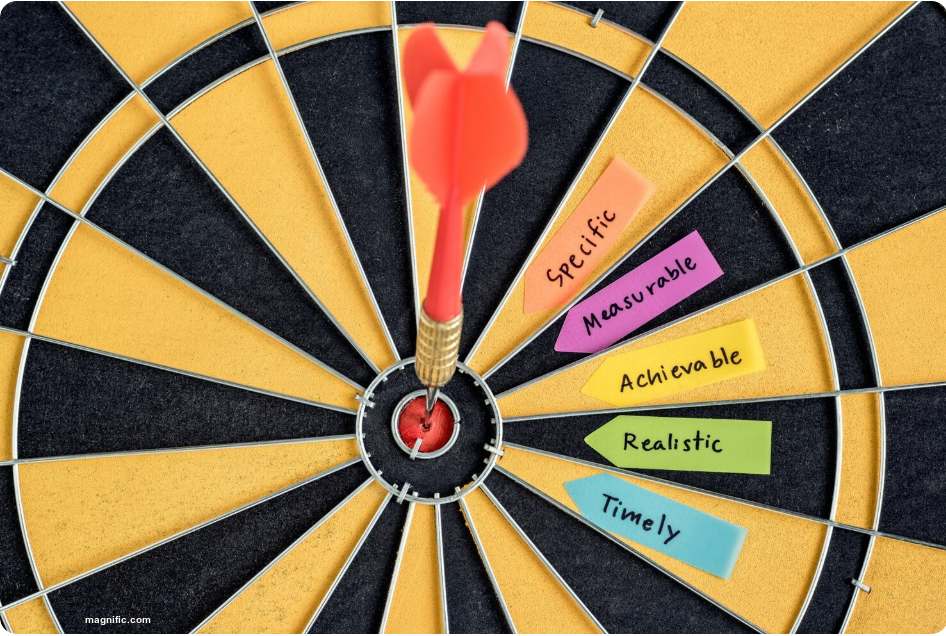
Setting SMART goals (Specific, Measurable, Achievable, Relevant and Time-bound)
Writing goals down
Creating an action plan
Setting a realistic timeline
Identifying possible barriers
Finding support and accountability
Reflecting on progress and adjusting goals when needed
For example, rebuilding strength and fitness after treatment may become an important goal. You may want to improve your walking endurance or regain confidence in physical activity. A SMART goal could involve walking a certain number of steps each day or walking around the park several times a week at a steady pace. Working with an exercise physiologist or allied health professional can help ensure your goals are safe, achievable, and tailored to your needs.
Writing your goals down can also be helpful. You might plan when and where you will walk, identify possible challenges such as fatigue, and ask a friend or family member to join you for support and accountability. Over time, goals can be adjusted to suit your energy levels, progress, and changing circumstances.
Some goals may take days or weeks to achieve, while others may take months or even years. Long-term goals are often reached through the accumulation of many smaller successes along the way.
Goal setting is important because it creates direction, encourages motivation, and helps you move forward with purpose and confidence. At Bloomhill Cancer Care, we are here to support you in achieving your personal goals — whether they involve improving physical strength, supporting mental wellbeing, developing healthier eating habits, or increasing motivation and confidence after treatment.
References:
Dagli, K. (November 24, 2023). Short-term and long-term goals. Examples: A goal setting guide. Retrieved May 21, 2026, from https://www.togetherplatform.com/blog/short-term-and-long-term-goals-examples-a-goal-setting-guide
Drew, C. (September 5, 2023). 101 Long-term personal goal examples. Retrieved 21 May, 2026, from https://helpfulprofessor.com/long-term-personal-goals-examples/
Perry, E. (November 26, 2024). Setting goals for success: 8 steps to actually achieve them. BetterUp. Retrieved May 05, 2026, from https://www.betterup.com/blog/how-to-set-goals-and-achieve-them
Please contact our Nurses on 07 5445 5794 or [email protected] if you have any questions.
All information provided by Bloomhill is mainly based on research from the Qld Cancer Council and best practice guidelines. Our model of care utilizes the Clinical Oncology Society of Australia (COSA) domains of wellness along with available clinical evidence. Always consult your care team regarding matters that affect your health. This is a guide intended for information only.